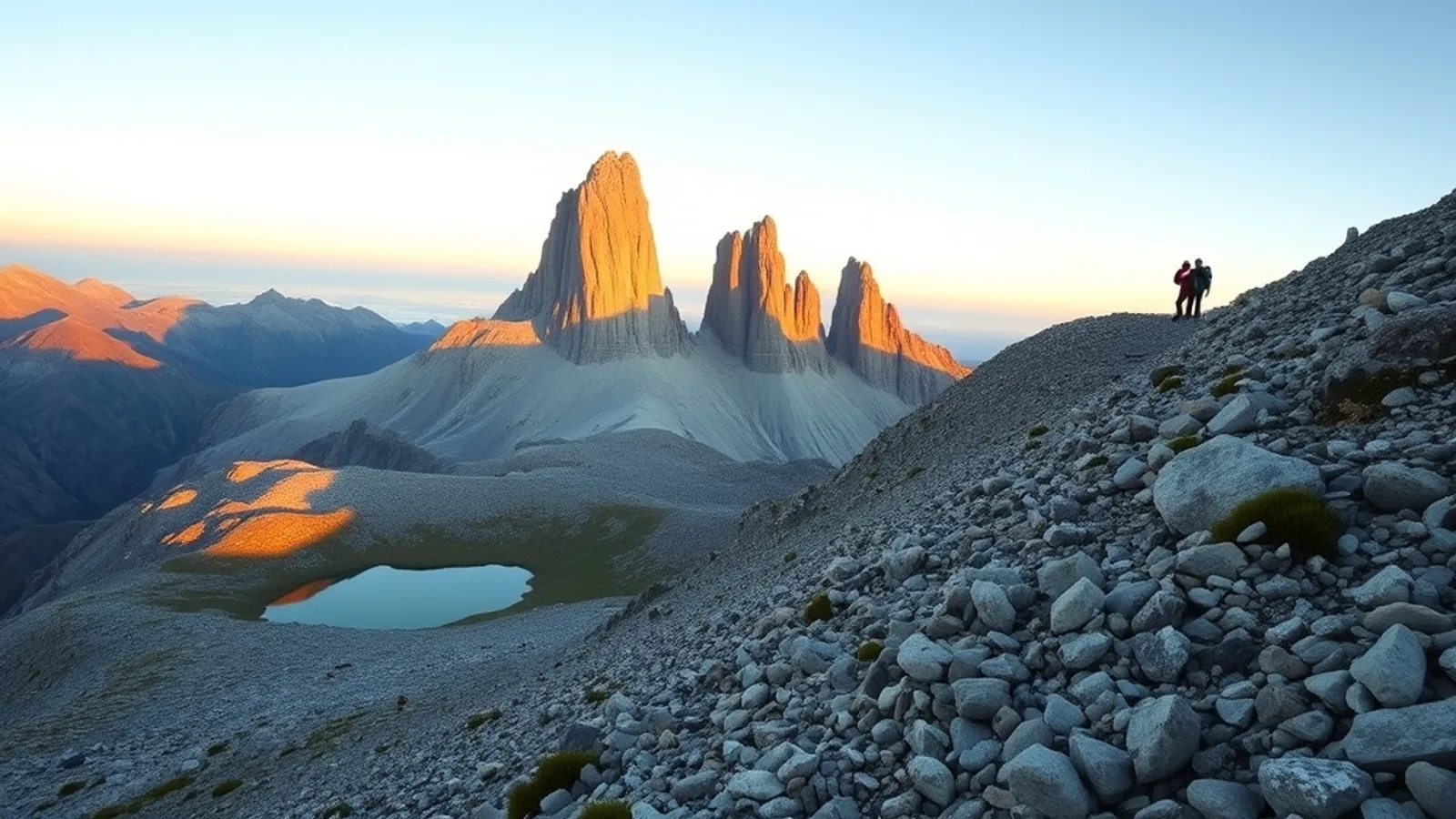
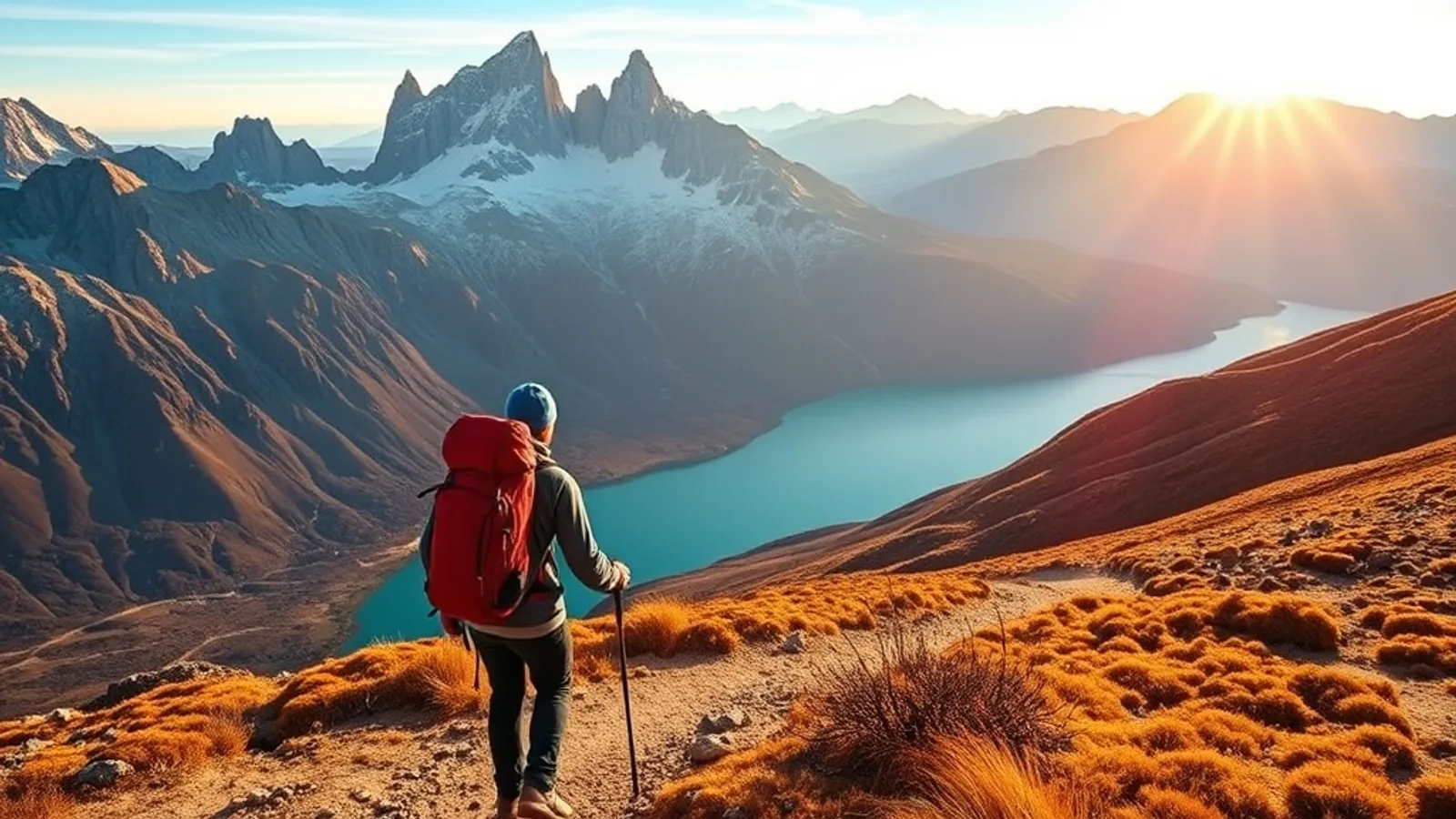
Private Puma Watching Tour in Torres del Paine
This is a private, full-day wildlife expedition from Puerto Natales dedicated to one thing: finding, observing and photographing wild pumas in Torres del Paine National Park. It is built for photographers and wildlife-focused travellers who want specialist guides rather than a general sightseeing day, and it costs from €565 per person (current price in the booking box, checked August 2026).
Full-day private search through the park's key wildlife sectors by 4x4
Wildlife specialists use observation technology to follow the animals' movements
Field experience and tracking gear combined to improve the chance of a sighting
Access to strategic observation areas with specialist guides, not a fixed circuit
About this tour
Puma tracking is a different kind of day in Torres del Paine. Instead of driving a fixed loop of viewpoints, you spend the day — the operator lists it at around 10.5 hours — moving between sectors of the park where the guides believe the animals are, waiting, glassing hillsides, and repositioning. Most of the travel is in a 4x4; the observation itself happens on foot near the vehicle, often standing still for long stretches in the wind.
## How the day actually works The operator describes an early start with transport from Puerto Natales (pickup from the cruise port is listed as included). Once inside the park, you explore key sectors with wildlife specialists — the team, per the listing, includes a veterinarian with experience in animal behaviour — supported by observation technology that lets the group adapt to the animals' movements through the day. Along the way the guides explain how to read puma behaviour, what role the cat plays in the ecosystem, and how it interacts with other Patagonian species. Watching gear and photography advice are part of the package, so you don't need your own spotting scope.
## Your chances of seeing a puma — honestly No serious operator guarantees a sighting, and neither does this one: pumas are wild animals and a blank day is always possible. What the format does is stack the odds — specialists who track full-time, technology, and a private vehicle free to follow the movement rather than a schedule. The operator describes the park as one of the world's best destinations for sighting this species, and CONAF lists the puma among the park's flagship fauna. Note that puma watching here is a regulated activity: the local municipality, together with Panthera, The Nature Conservancy and other partners, approved a good-practice protocol in 2025 that requires operator registration, guide training and strict behaviour rules during encounters. Booking a registered, specialist operation is not just an ethical choice — it is how the activity is supposed to work.
## Who it suits — and who it doesn't This tour makes sense if wildlife, and specifically the puma, is the main reason you are in Patagonia: photographers, birders and anyone happy to trade the classic viewpoint circuit for hours of patient searching. It is not the right choice if you have one day and want to see the park's headline landscapes — a standard full-day tour covers those for a fraction of the price. It is also not a hiking day: you will be mostly in and around the vehicle, so if you want to walk, book a trekking day instead. The operator lists the tour as not suitable for children under 18, and the price reflects a private, specialist service — it is one of the most expensive day tours in the park.
## Weather, wind and comfort Patagonian weather sets the terms for every day in this park. Chile's weather service (DMC) has measured ten-minute average winds of up to 74 km/h at its Puerto Natales station, with gusts higher still, and conditions can shift from calm to driving rain within an hour. That matters here because puma observation means standing still outdoors: windproof and thermal layers are essential, and the operator explicitly lists personal equipment such as weather-appropriate clothing as not included. On-site snacks and onboard Wi-Fi are provided, but lunches and dinner are not — plan for a long day with your own food or budget for it.
## How it compares Against a regular full-day Torres del Paine excursion, the difference is focus: a standard tour shows you the park, this one hunts for a single elusive animal and treats the landscape as backdrop. Group sightseeing days cost far less and guarantee their itinerary; this tour costs several times more and guarantees only the search. If you can only justify one wildlife splurge in Patagonia and a puma photo is the dream, a private tracking day with specialist guides is the appropriate tool for the job — just go in accepting that the animal, not the operator, decides how the day ends.
Itinerary
Typical itinerary for this tour — in Torres del Paine the weather is the itinerary: Patagonian wind, rain or snow regularly close a trail or a boat crossing without notice, so no viewpoint and no sailing is promised. Check the booking box for the day-by-day details.
Early departure from Puerto Natales
The day starts early with transport from Puerto Natales to Torres del Paine National Park; the operator lists pickup from the cruise port as included.
Tracking across key park sectors
By 4x4, the group moves between strategic sectors with wildlife specialists, using observation technology and constant monitoring to adapt to where the animals are.
Observation and photography stops
When a puma or other wildlife is located, the guides set up watching gear and give photography advice; expect long, patient waits outdoors.
Understanding the animal
Throughout the day the specialists — the team includes a veterinarian experienced in animal behaviour — explain how to interpret puma behaviour, its role in the ecosystem and its interactions with other Patagonian species.
Return to Puerto Natales
The expedition ends back in Puerto Natales at the close of a day the operator lists at around 10.5 hours.
Essential information
Included
- Transfer from the cruise port in Puerto Natales
- Expert wildlife guides
- Wi-Fi on board
- On-site snacks
- Watching gear (spotting equipment)
- Photography advice
- Torres del Paine National Park entrance fees
- Travel insurance
Not included
- Lunches and dinner (only snacks are provided)
- Personal expenses (drinks, souvenirs, etc.)
- Personal equipment, such as clothing suitable for the weather
- Gratuities
What to bring
- A windproof, waterproof outer layer, whatever the month. The park's official advice is to carry layers of clothing "to withstand rain, wind and/or snow" in any season, and Chile's meteorological service (DMC) records a predominant wind of about 28 km/h at Puerto Natales, with ten-minute average winds — not gusts — measured at up to 74 km/h.
- Warm layers under the shell. At the DMC station in Puerto Natales the thirty-year monthly mean is 11.8°C in January, the height of summer, and 1.3°C in July — and the July mean of the monthly minima is -4.5°C. Inside the park, higher and more exposed, it is colder still.
- Proper hiking boots, even on a vehicle-based day. The trail to the Base of the Towers is steep, rough and long enough that CONAF requires a guide on it for a large part of the year, and every viewpoint you step out to is on uneven, wind-blasted ground.
- Your park entry ticket, bought in advance. Unless your listing says entry is included, you buy it yourself on pasesparques.cl, the official CONAF platform, at least 24 hours before entering; a foreign adult pays CLP 32,400 for a single day or CLP 48,500 for two or more days (official 2026 park tariff).
- Sun protection — sunglasses, sunscreen, a hat that stays on in wind. The hours outdoors are long, the light is strong, and there is very little shade at the viewpoints.
- Water and snacks for the day. Where these listings itemise food at all, most exclude it, and inside the park there is nowhere to buy anything between stops.
- Your passport. Tours from El Calafate cross the Argentina–Chile border, and everywhere else it is the document your park ticket and hotel pick-up are checked against.
Inclusions are summarised from the operator listing — always verify the full list in the live booking box.
Important information
Weather is the itinerary. Boat sailings and trails are shortened, swapped or closed without notice for wind: the park's own advice warns that Patagonian weather "changes rapidly" and to expect rain, wind and/or snow in any season, and the DMC has measured ten-minute average winds of up to 74 km/h at Puerto Natales. No stop, no sailing and no view is promised on this site.
CONAF's rules are strict and enforced. Any open flame is banned under Ley 20.653, with fines of up to CLP 2,000,000; recreational drones are banned, and offenders are expelled from the park and reported to the DGAC; hikers must register at every ranger station (guardería) they pass, and walking trails after dark is prohibited (official park regulations).
Winter runs by its own rulebook. An official regulation for winter hiking applies every year from 1 May to 30 September, with accredited guides mandatory on the mountain trails; in 2026 the W circuit is closed from 1 June to 31 July except Base Torres with a certified guide, and the O circuit stays closed until 31 October (park and CONAF announcements).
Daylight swings hard at this latitude. Around the summer solstice the day is roughly 16 h 37 min long; around the winter solstice it is 7 h 59 min — the same tour in winter runs on half the light, and start times shift with it.
Prices shown here are GetYourGuide "from" prices in euros, read in August 2026: the cheapest date and option on the listing at that moment. Your date can cost more, and the price in the booking box is the one that binds.
What the operator says is the operator's claim. Group sizes, durations, pick-up points and inclusions are repeated here from the listing and attributed to it — they are not our own verification. Inclusions, minimum age and cancellation terms are binding only as printed in the booking box for your date.
Sightings are never guaranteed. Pumas are wild and free-ranging; the specialists and tracking technology improve your odds, but a day without a puma is possible and no refund applies for that.
Wind rules the day: the Chilean weather service regularly issues advisories for ten-minute average winds measured at up to 74 km/h (gusts higher) in this area, and park access hours can change with conditions. Bring windproof and thermal layers — the operator lists weather-appropriate clothing as your responsibility.
The operator does not accept children under 18 on this tour.
Feeding or touching animals is not allowed on the tour — and feeding wildlife, along with drone use, is prohibited park-wide under CONAF rules.
Only on-site snacks are included; lunches and dinner are not, on a day the operator lists at around 10.5 hours. Park entrance fees and a transfer from the Puerto Natales cruise port are included, so you don't need to buy a park ticket separately.
Check dates & prices
Live availability & pricesFrequently asked questions
Will we definitely see a puma?
No — no honest operator promises a sighting. Pumas are wild animals, and although the specialists, tracking experience and observation technology raise your chances considerably, a day without a puma is possible. The operator describes the park as one of the world's top destinations for sighting the species, but the animal decides.
How physically demanding is the day?
It is long rather than hard: the operator lists around 10.5 hours, mostly travelling by 4x4 between sectors, with observation on foot near the vehicle. The main challenge is standing still outdoors in cold wind for extended periods, not walking distance.
What should I bring?
Warm, windproof and waterproof layers above all — the operator lists personal equipment such as weather-appropriate clothing as not included, and the Chilean weather service regularly warns of ten-minute average winds measured at up to 74 km/h (gusts higher) in this area. Bring your own lunch or money for meals: only on-site snacks are included. Watching gear and photography advice are provided, so a spotting scope is not needed; bring your camera and long lens if you have one.
Can children join this tour?
No. The operator lists the tour as not suitable for children under 18. The operator's rules also prohibit feeding or touching animals, in line with park-wide CONAF regulations.
Is the park entrance fee included?
Yes — the operator lists Torres del Paine National Park entrance fees as included, along with travel insurance and a transfer from the Puerto Natales cruise port, so you do not need to buy a separate ticket on pasesparques.cl for this day.