Winter Trekking to the Base of the Towers
This is a guided full-day winter trek from Puerto Natales to the Base of the Towers viewpoint in Torres del Paine, in a group capped at eight, from €117 (the current price is always in the booking box — checked August 2026). It exists because in winter you cannot hike this trail without an authorised guide, and because the towers under snow, with almost nobody else on the trail, are a genuinely different experience from the summer version. It is a long, physically serious day — if your hiking fitness is low, this is not your tour.
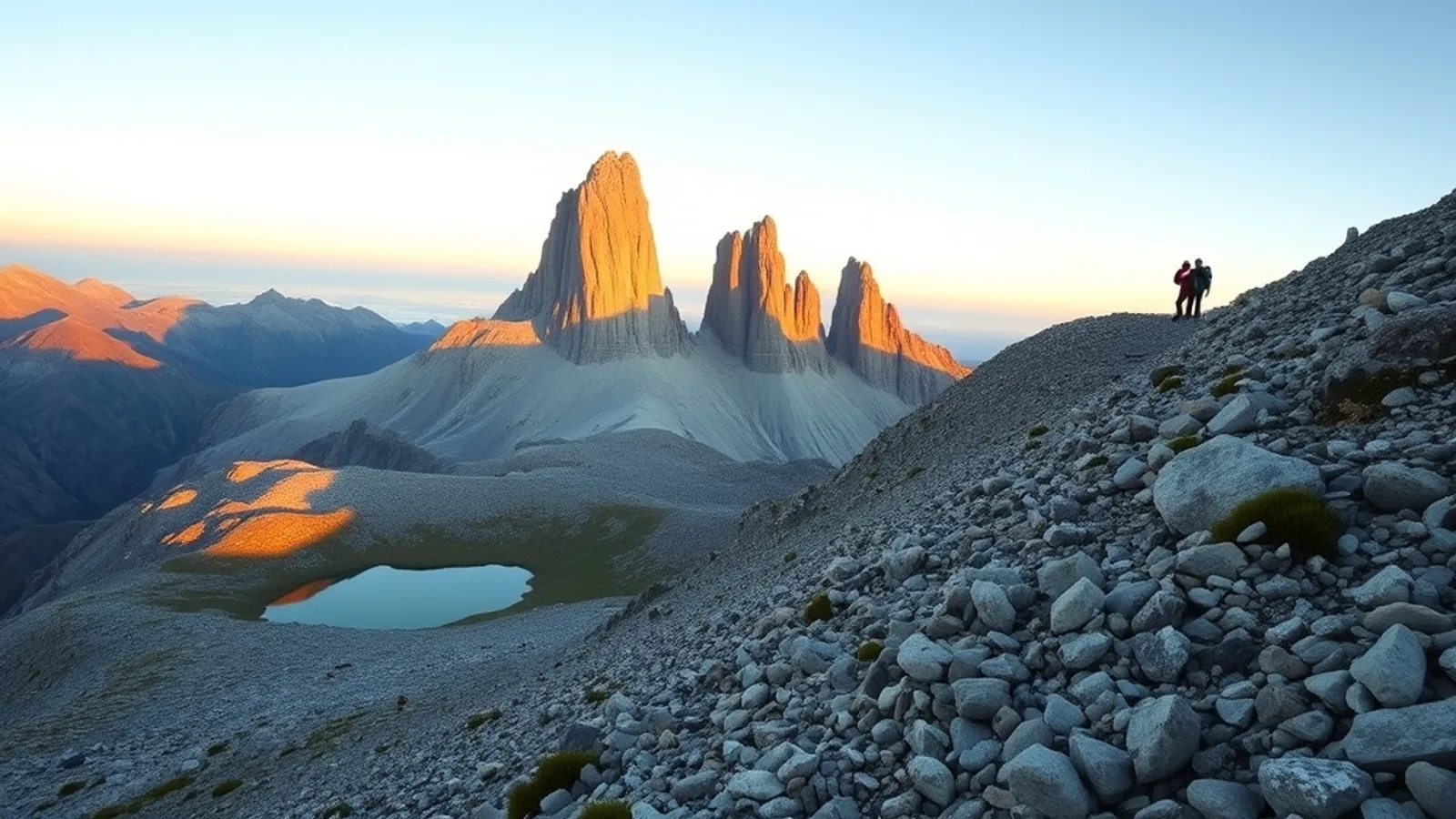
The Base of the Towers viewpoint under snow, with the trail at its quietest
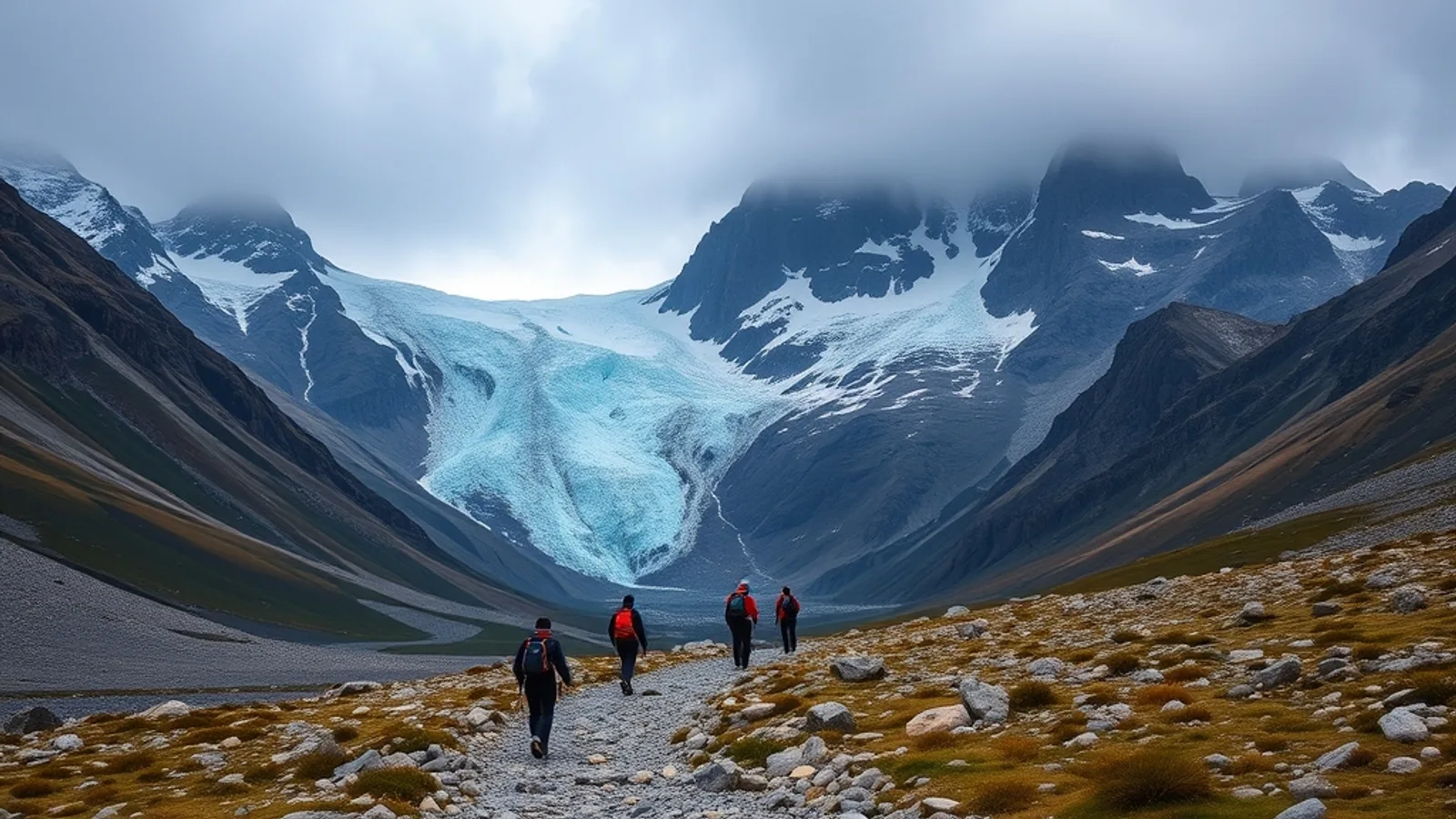
A demanding winter route through icy scrub, the Ascencio Valley and snow-covered lenga forest
Small group capped at eight travellers, led by an expert local guide
Patagonia in its raw winter state — cold, silent and largely empty
About this tour
The Base of the Towers trail is the one classic Torres del Paine hike that stays open through winter — but not on your own terms. Under the park's winter regulations, an authorised guide is mandatory on this trail from 27 April to 30 August 2026, guided groups must be on the trail by 09:00, and CONAF caps ratios at four hikers per single guide, with an assistant required for groups of five to eight. This tour is built around exactly those rules: WFR-certified guides, a group of no more than eight, private transfers from your accommodation, and the technical equipment — crampons and poles — included. In winter, a guided tour on this trail is not an upsell; it is the only legal way in.
## What the day actually involves The operator describes a route that starts at the Welcome Center, crosses pre-Andean scrub on icy terrain, climbs the Ascencio Valley through the Paso de los Vientos, and then follows trails through snow-covered lenga forest, past rivers and waterfalls, to the vantage point below the towers. The full day is listed at 14 hours door to door. That number makes sense once you look at the winter daylight: around the June solstice, Puerto Natales gets just under eight hours of light, and the park's winter entry hours run 08:00 to 18:30 — so expect a pre-dawn pickup, transfers in the dark at both ends, and a schedule with little slack in it.
## How hard it is The operator calls this a challenging hike, and the season backs that up. There is ice underfoot from the first kilometres, which is why crampons and poles are part of the kit rather than an option. Cold is a constant: at Puerto Natales the July monthly mean is 1.3 °C and the average of July's extreme lows is −4.5 °C (DMC). And the wind is not a footnote — Chile's weather service (DMC) has measured ten-minute average winds of up to 74 km/h at its Puerto Natales station, with gusts higher still. You need solid, current full-day mountain fitness, some comfort on frozen ground, and the discipline to follow the guide's calls without argument.
## Who it suits — and who it doesn't This tour suits fit hikers who want the towers without the summer foot traffic, photographers who accept that the weather decides what they get, and travellers visiting Patagonia in the low season who assumed the big hike was off the table. The operator states it is not suitable for children under 10, people over 95, anyone with a recent surgery, or people with a low level of fitness — and that last exclusion should be taken at face value. If a long winter mountain day is beyond you, the vehicle-based full-day park tours show you the massif from the viewpoints with a fraction of the effort.
## Winter versus the summer trek The nearest alternative is the classic Base Torres day hike in the summer season. Summer gives you independence — no guide requirement — plus far more daylight (close to 17 hours around the December solstice), full trail services, and much more company on the trail. Winter gives you snow, silence and a group of eight, at the cost of mandatory guiding, colder and shorter days, and a real chance the weather cancels the plan outright. It is also, in practice, the main serious trail left in winter: CONAF keeps the O circuit closed for the whole winter season, and under the 2026 winter rules the W circuit was closed in June and July except for accredited operators with regional CONAF authorisation. Neither version of Base Torres is objectively better; they are different products for different travellers.
## Booking and the weather caveat The live price and available winter dates are in the booking box on this page. Book with the weather in mind: trails and access close without notice in this park, decisions rest with CONAF and your guide, and no operator can promise the towers will be out of the cloud when you arrive. If you can, keep a spare day in Puerto Natales so a cancelled departure does not end your chances.
Itinerary
Typical itinerary for this tour — in Torres del Paine the weather is the itinerary: Patagonian wind, rain or snow regularly close a trail or a boat crossing without notice, so no viewpoint and no sailing is promised. Check the booking box for the day-by-day details.
Pre-dawn pickup in Puerto Natales
Private transfer from your accommodation in a winter-ready vehicle to Torres del Paine National Park. Winter park hours run 08:00 to 18:30, and guided groups must be on the Base Torres trail by 09:00, so the day starts in the dark.
Welcome Center to the Ascencio Valley
The hike begins at the Welcome Center. The operator describes the first kilometres crossing pre-Andean scrub on icy terrain, then climbing the Ascencio Valley to the Paso de los Vientos.
Snow-covered lenga forest
The middle section follows trails through lenga forest under snow, surrounded by mountains, rivers and waterfalls, with the landscape shifting as you gain height.
Base of the Towers viewpoint
The final stretch brings you to the vantage point below the granite towers — in winter, often in near-total silence. How long you stay depends on the conditions, and the guide has the last word.
Return and transfer back
Retrace the route to the Welcome Center, then transfer back to Puerto Natales, typically arriving after dark. The operator lists the full day at 14 hours.
Essential information
Included
- Private transfers from your accommodation
- WFR-certified guides
- Technical equipment: crampons and poles
- Communication and safety gear
- Complete first aid kit
- Hot drink and homemade brownie
- Professional photos
- Small-group format with a maximum of 8 participants
Not included
- Park entrance fee — buy it on pasesparques.cl (the official CONAF platform) at least 24 hours before entry
- Meals beyond the hot drink and brownie — bring your own food for a 14-hour day
- Accommodation in Puerto Natales before and after the trek
What to bring
- A windproof, waterproof outer layer, whatever the month. The park's official advice is to carry layers of clothing "to withstand rain, wind and/or snow" in any season, and Chile's meteorological service (DMC) records a predominant wind of about 28 km/h at Puerto Natales, with ten-minute average winds — not gusts — measured at up to 74 km/h.
- Warm layers under the shell. At the DMC station in Puerto Natales the thirty-year monthly mean is 11.8°C in January, the height of summer, and 1.3°C in July — and the July mean of the monthly minima is -4.5°C. Inside the park, higher and more exposed, it is colder still.
- Proper hiking boots, even on a vehicle-based day. The trail to the Base of the Towers is steep, rough and long enough that CONAF requires a guide on it for a large part of the year, and every viewpoint you step out to is on uneven, wind-blasted ground.
- Your park entry ticket, bought in advance. Unless your listing says entry is included, you buy it yourself on pasesparques.cl, the official CONAF platform, at least 24 hours before entering; a foreign adult pays CLP 32,400 for a single day or CLP 48,500 for two or more days (official 2026 park tariff).
- Sun protection — sunglasses, sunscreen, a hat that stays on in wind. The hours outdoors are long, the light is strong, and there is very little shade at the viewpoints.
- Water and snacks for the day. Where these listings itemise food at all, most exclude it, and inside the park there is nowhere to buy anything between stops.
- Your passport. Tours from El Calafate cross the Argentina–Chile border, and everywhere else it is the document your park ticket and hotel pick-up are checked against.
Inclusions are summarised from the operator listing — always verify the full list in the live booking box.
Important information
Weather is the itinerary. Boat sailings and trails are shortened, swapped or closed without notice for wind: the park's own advice warns that Patagonian weather "changes rapidly" and to expect rain, wind and/or snow in any season, and the DMC has measured ten-minute average winds of up to 74 km/h at Puerto Natales. No stop, no sailing and no view is promised on this site.
CONAF's rules are strict and enforced. Any open flame is banned under Ley 20.653, with fines of up to CLP 2,000,000; recreational drones are banned, and offenders are expelled from the park and reported to the DGAC; hikers must register at every ranger station (guardería) they pass, and walking trails after dark is prohibited (official park regulations).
Winter runs by its own rulebook. An official regulation for winter hiking applies every year from 1 May to 30 September, with accredited guides mandatory on the mountain trails; in 2026 the W circuit is closed from 1 June to 31 July except Base Torres with a certified guide, and the O circuit stays closed until 31 October (park and CONAF announcements).
Daylight swings hard at this latitude. Around the summer solstice the day is roughly 16 h 37 min long; around the winter solstice it is 7 h 59 min — the same tour in winter runs on half the light, and start times shift with it.
Prices shown here are GetYourGuide "from" prices in euros, read in August 2026: the cheapest date and option on the listing at that moment. Your date can cost more, and the price in the booking box is the one that binds.
What the operator says is the operator's claim. Group sizes, durations, pick-up points and inclusions are repeated here from the listing and attributed to it — they are not our own verification. Inclusions, minimum age and cancellation terms are binding only as printed in the booking box for your date.
The weather and the wind have the final say. Winter trails in Torres del Paine can close without notice, and the DMC has measured ten-minute average winds of up to 74 km/h at Puerto Natales, with gusts higher still. If CONAF or the guide calls the day off, that decision is final — build a spare day into your plans if you can.
The park entrance fee is not among the listed inclusions. Buy it on pasesparques.cl (the only official sales channel) at least 24 hours before entry; a single-day pass for foreign adults is CLP 32,400.
CONAF's winter regulations require specific equipment: poles, crampons or micro-spikes, a headlamp, sunglasses, gloves, thermal and waterproof layers, and gaiters. The tour includes crampons and poles — the rest of the list is your responsibility.
The operator states the tour is not suitable for children under 10, people over 95, people with recent surgeries, or anyone with a low level of fitness.
Expect a very long day: the operator lists 14 hours in total, and with just under eight hours of midwinter daylight in Puerto Natales, both transfers typically happen in the dark.
Check dates & prices
Live availability & pricesFrequently asked questions
How hard is the winter Base Torres trek?
The operator rates it as challenging and explicitly lists it as not suitable for people with a low level of fitness. Expect ice underfoot from early on (crampons and poles are provided), a full day of sustained walking with significant climbing, and cold — July average lows around Puerto Natales are around −4°C. If you can comfortably manage a long winter mountain day, you will be fine; if you are unsure, a vehicle-based park tour is the honest alternative.
What do I need to bring?
The operator's list: warm clothing, a jacket, thermal and breathable layers, long hiking pants, a long-sleeved shirt, hiking shoes, sunglasses, sunscreen, water and any personal medication. Crampons and poles are included. Note that CONAF's winter regulations also require a headlamp, gloves, gaiters and waterproof layers, so pack those too.
Can the tour be cancelled because of the weather?
Yes, and it genuinely happens. Winter trails in Torres del Paine close without notice, and the DMC regularly issues wind advisories for ten-minute average winds measured at up to 74 km/h (gusts higher) in this part of Magallanes. CONAF and the guide make the call on the day. Check the cancellation terms in the booking box before you book, and keep a spare day in Puerto Natales if your schedule allows it.
Is the park entrance fee included?
It is not among the inclusions the operator lists, so plan to buy it yourself on pasesparques.cl — the only official sales channel — at least 24 hours before entry. A single-day pass for foreign adults costs CLP 32,400.
Are there age or health restrictions?
The operator states the tour is not suitable for children under 10, people over 95, people with recent surgeries, or anyone with a low level of fitness. There is no way around the fitness requirement: in winter this trail has no easy version.