Torres del Paine Day Tour from El Calafate
This tour takes you from El Calafate in Argentina across the border into Chile to see Torres del Paine National Park and back in one very long day — the operator lists it at 16 hours — from €180 (checked August 2026; the current price is always in the booking box). It is a sightseeing day built around viewpoints and short walks, aimed at travellers whose itinerary is anchored in El Calafate, not a trekking trip.
See Torres del Paine National Park in a single day from El Calafate, crossing the Argentina–Chile border in both directions
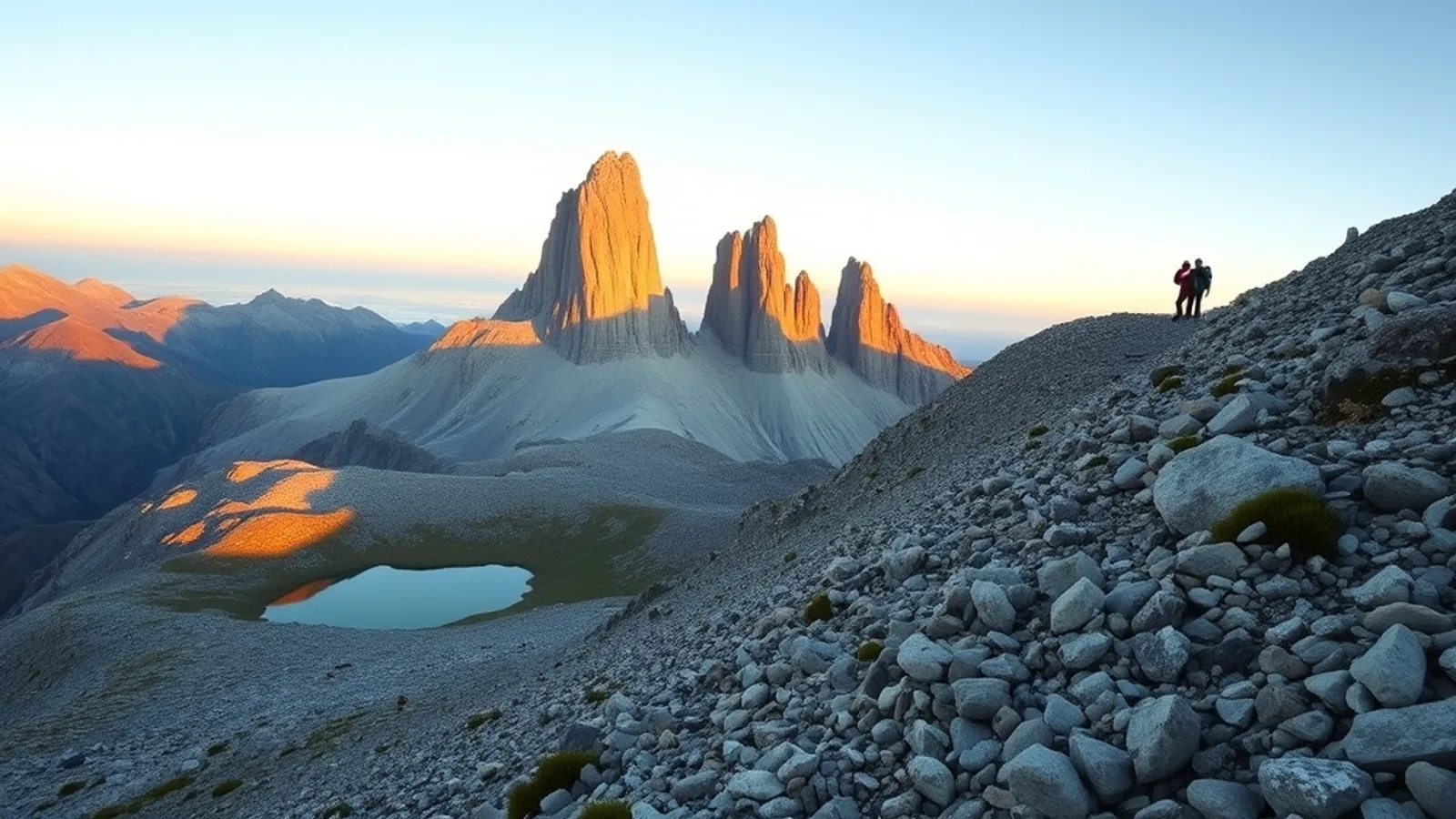
Panoramic viewpoints of the Paine massif and the Cuernos del Paine, with guanacos and condors often visible from the road (never guaranteed)
A short walk inside the park to stretch your legs — this is a sightseeing day, not a trek
Stops at the Salto del Río Paine waterfall and the Lago Sarmiento viewpoint, per the operator's programme
About this tour
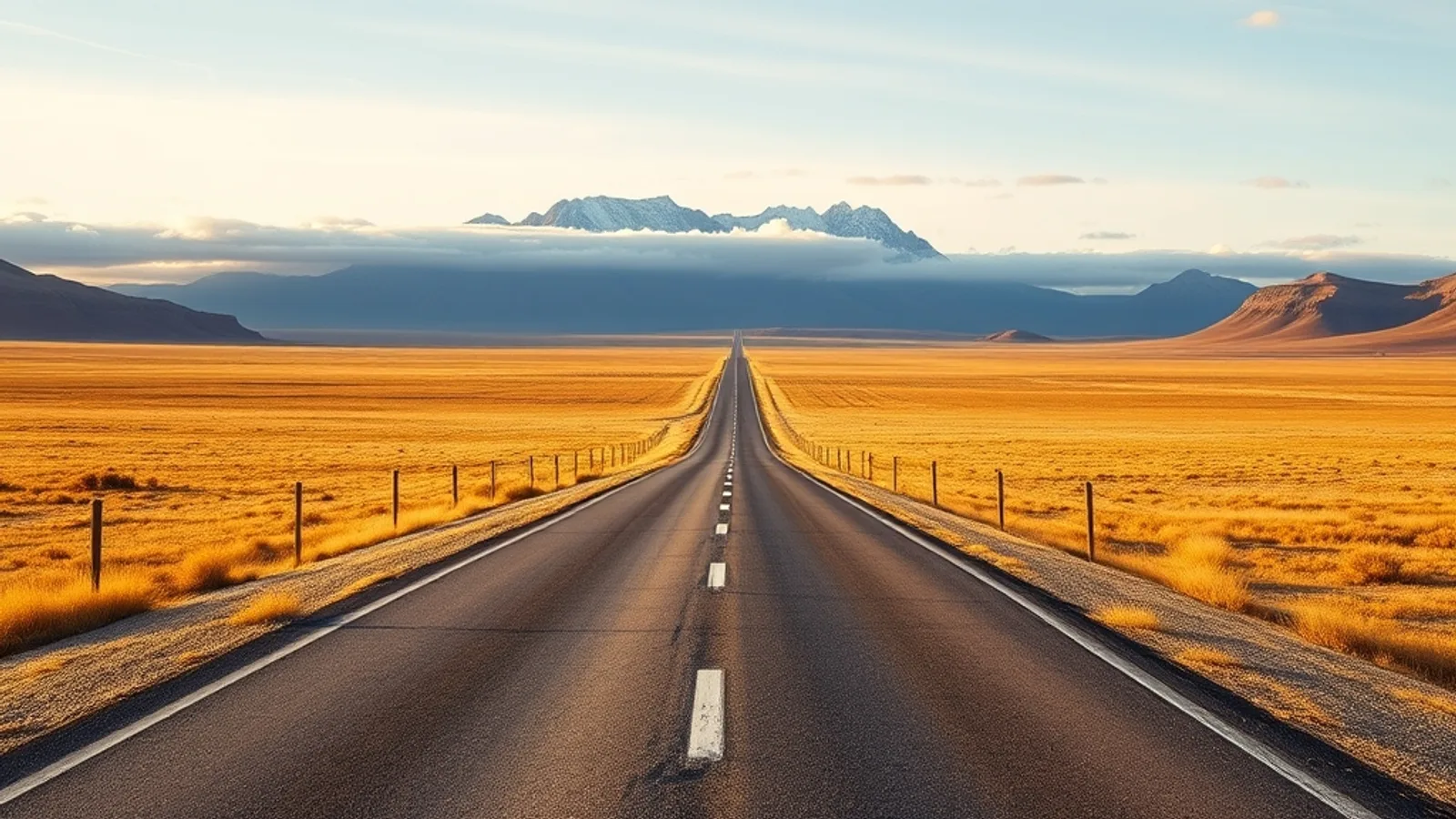
## What this day actually looks like The honest framing first: this is a driving day with scenic stops, not a hiking day. Pickup from your El Calafate hotel comes early in the morning, and from there the route runs southwest to the Argentine–Chilean border. After immigration and customs you continue into the national park, where — per the operator's programme — the stops include the Lago Sarmiento viewpoint and the Salto del Río Paine waterfall, with a short walk and panoramic views of the Paine massif and the Cuernos del Paine along the way. Guanacos and condors are often visible from the road, though wildlife sightings are never guaranteed.
## The border crossing is a real border crossing You clear Argentine exit formalities and Chilean entry formalities on the way in, and the same in reverse on the way back — four passport controls in one day. The operator asks you to bring your passport and, if your nationality requires one, a visa for Chile. Chilean customs are strict about fresh food crossing the border, so travel light on snacks. After the crossing you meet the Chilean guide for the drive on to the park.
## Who this tour suits — and who it doesn't It suits travellers who are based in El Calafate for Perito Moreno and the Argentine side, have one spare day, and want to see the Paine massif with their own eyes without reorganising their whole trip. It does not suit hikers: there is no Base Torres trail, no W circuit, nothing beyond short walks. The operator also lists it as not suitable for children under 3, pregnant women, or people with back problems, heart problems or mobility impairments — mainly because of the sheer length of the day in a vehicle.
## How it compares with going from Puerto Natales The closest alternative is a full-day tour from Puerto Natales, on the Chilean side. From there the drive is far shorter, there is no border crossing eating into the day, and you get more time at the stops for a similar style of tour. If Torres del Paine is a priority for you, basing yourself in Puerto Natales — even for one night — is the better plan. This El Calafate departure earns its place only when your itinerary genuinely cannot move: it trades comfort and park time for the convenience of a single-day round trip from Argentina.
## Weather and wind can rewrite the day Patagonian weather changes fast and the wind is the boss here: Chile's weather service (DMC) has measured ten-minute average winds of up to 74 km/h at its Puerto Natales station, with gusts higher still in the sectors that include Torres del Paine and Puerto Natales. Roads, viewpoints and trails can close without notice, operators adjust the route on the day, and no tour can promise a clear view of the towers. The park itself is open year-round, with official entry hours of 07:00–21:00 in the summer season (October–April) and 08:00–18:30 in winter (May–September).
## Park entrance and tickets The Chilean park entrance fee is not part of the tour price. The official 2026 rate for a foreign adult day pass is CLP 32,400, and CONAF's only official sales channel is the pasesparques.cl website, with tickets normally bought at least 24 hours before entry. This operator lists the entrance fee as a cash payment on the day — so confirm exactly how park entry is handled when you book, and carry your passport details in any case, since they are required for the ticket.
Itinerary
Typical itinerary for this tour — in Torres del Paine the weather is the itinerary: Patagonian wind, rain or snow regularly close a trail or a boat crossing without notice, so no viewpoint and no sailing is promised. Check the booking box for the day-by-day details.
Early pickup in El Calafate
The day starts with hotel pickup in El Calafate early in the morning, then the road runs southwest towards the Chilean border.
Argentina–Chile border crossing
You clear Argentine and Chilean immigration and customs, then meet the Chilean guide for the drive on into the national park.
Lago Sarmiento viewpoint
The first stop in the park, per the operator's programme, with views across the lake towards the Paine massif as glacial lakes and snow-capped peaks replace the steppe.
Salto del Río Paine and massif viewpoints
A stop at the Río Paine waterfall, plus a short walk and further viewpoints of the Cuernos del Paine, adjusted on the day to weather and wind.
Return to El Calafate
The route retraces itself through the border back to your hotel; the operator lists the full day at 16 hours.
Essential information
Included
- Hotel pickup and drop-off in El Calafate
- Bilingual Spanish/English guide
- Insurance
- Lunch box (on the regular service only, per the operator)
Not included
- Chilean park entrance fee — the operator lists it as a cash payment on the day (official 2026 day pass for foreign adults: CLP 32,400)
- Drinks and any meals beyond the lunch box
- Visa fees, where required for the border crossing into Chile
What to bring
- A windproof, waterproof outer layer, whatever the month. The park's official advice is to carry layers of clothing "to withstand rain, wind and/or snow" in any season, and Chile's meteorological service (DMC) records a predominant wind of about 28 km/h at Puerto Natales, with ten-minute average winds — not gusts — measured at up to 74 km/h.
- Warm layers under the shell. At the DMC station in Puerto Natales the thirty-year monthly mean is 11.8°C in January, the height of summer, and 1.3°C in July — and the July mean of the monthly minima is -4.5°C. Inside the park, higher and more exposed, it is colder still.
- Proper hiking boots, even on a vehicle-based day. The trail to the Base of the Towers is steep, rough and long enough that CONAF requires a guide on it for a large part of the year, and every viewpoint you step out to is on uneven, wind-blasted ground.
- Your park entry ticket, bought in advance. Unless your listing says entry is included, you buy it yourself on pasesparques.cl, the official CONAF platform, at least 24 hours before entering; a foreign adult pays CLP 32,400 for a single day or CLP 48,500 for two or more days (official 2026 park tariff).
- Sun protection — sunglasses, sunscreen, a hat that stays on in wind. The hours outdoors are long, the light is strong, and there is very little shade at the viewpoints.
- Water and snacks for the day. Where these listings itemise food at all, most exclude it, and inside the park there is nowhere to buy anything between stops.
- Your passport. Tours from El Calafate cross the Argentina–Chile border, and everywhere else it is the document your park ticket and hotel pick-up are checked against.
Inclusions are summarised from the operator listing — always verify the full list in the live booking box.
Important information
Weather is the itinerary. Boat sailings and trails are shortened, swapped or closed without notice for wind: the park's own advice warns that Patagonian weather "changes rapidly" and to expect rain, wind and/or snow in any season, and the DMC has measured ten-minute average winds of up to 74 km/h at Puerto Natales. No stop, no sailing and no view is promised on this site.
CONAF's rules are strict and enforced. Any open flame is banned under Ley 20.653, with fines of up to CLP 2,000,000; recreational drones are banned, and offenders are expelled from the park and reported to the DGAC; hikers must register at every ranger station (guardería) they pass, and walking trails after dark is prohibited (official park regulations).
Winter runs by its own rulebook. An official regulation for winter hiking applies every year from 1 May to 30 September, with accredited guides mandatory on the mountain trails; in 2026 the W circuit is closed from 1 June to 31 July except Base Torres with a certified guide, and the O circuit stays closed until 31 October (park and CONAF announcements).
Daylight swings hard at this latitude. Around the summer solstice the day is roughly 16 h 37 min long; around the winter solstice it is 7 h 59 min — the same tour in winter runs on half the light, and start times shift with it.
Prices shown here are GetYourGuide "from" prices in euros, read in August 2026: the cheapest date and option on the listing at that moment. Your date can cost more, and the price in the booking box is the one that binds.
What the operator says is the operator's claim. Group sizes, durations, pick-up points and inclusions are repeated here from the listing and attributed to it — they are not our own verification. Inclusions, minimum age and cancellation terms are binding only as printed in the booking box for your date.
Bring your passport: this is a full international border crossing with immigration and customs in each direction, and the operator notes a visa is required for some nationalities.
The operator lists the day at 16 hours, most of it on the road. Treat it as a scenic drive with short walks — there is no real hiking on this tour.
Wind rules everything in Patagonia: Chile's weather service issues regular advisories for ten-minute average winds measured at up to 74 km/h (gusts higher) in this area, and viewpoints or sections of the route can close without notice.
The Chilean park entrance fee is not included: the official 2026 day pass for foreign adults is CLP 32,400, and the operator lists it as a cash payment on the day of the tour.
The operator lists the tour as not suitable for children under 3, pregnant women, or people with back, heart or mobility problems.
Check dates & prices
Live availability & pricesFrequently asked questions
How long is the day, and how much of it is spent driving?
The operator lists the tour at 16 hours door to door, and a large share of that is on the road, including the border crossing in each direction. Walks are short. If you want a full hiking day — Base Torres, for example — you need a different tour starting from the Chilean side.
Do I need my passport?
Yes. You cross the Argentina–Chile border twice, with full immigration and customs checks each way. The operator asks you to bring your passport and a visa if your nationality requires one for Chile.
Is the park entrance fee included?
No. The operator lists it as a separate cash payment on the day. The official 2026 rate for a foreign adult day pass is CLP 32,400, and CONAF's official sales channel is pasesparques.cl — so confirm with the operator how park entry is handled when you book.
What happens if the weather turns bad?
The route gets adjusted. Patagonian weather changes fast: Chile's weather service regularly issues advisories for wind ten-minute average winds measured at up to 74 km/h (gusts higher) in this area, and roads, viewpoints and trails can close without notice. No tour can guarantee a clear view of the towers, whatever the season.
Is this tour suitable for everyone?
The operator lists it as not suitable for children under 3, pregnant women, or people with back problems, heart problems or mobility impairments. The walks themselves are easy, but the day is very long and mostly spent sitting in a vehicle — worth weighing if you travel with small children or find long drives hard.