Base Torres Small Group Trek from Puerto Natales
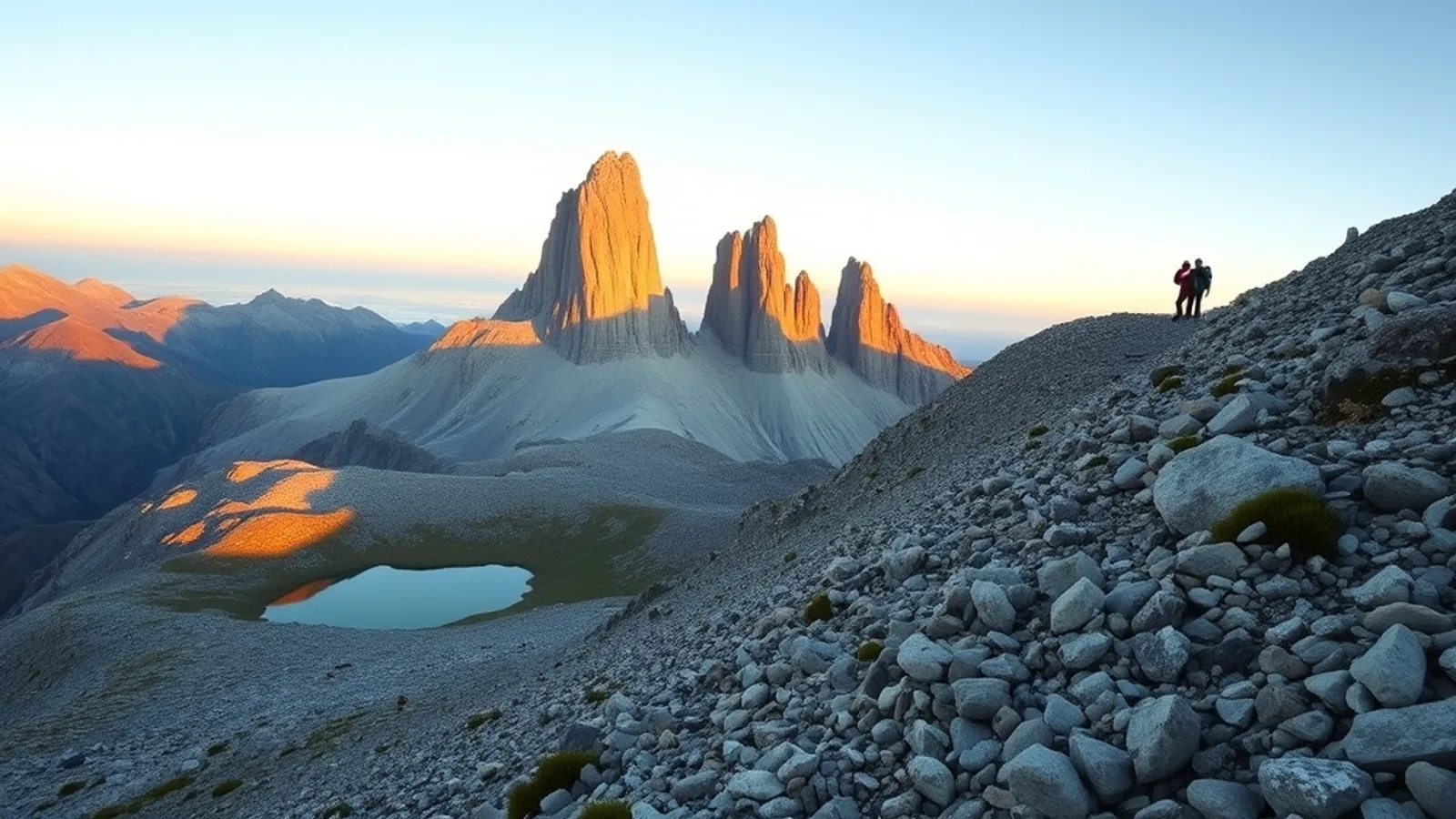
This is a guided, full-day hike to the Base Torres viewpoint — the lake at the foot of the granite towers that give Torres del Paine its name — run as a small group the operator caps at 12 people, with hotel pickup in Puerto Natales, transport, park entrance and a WFR-certified bilingual guide all listed as included, from €95 (the current price is in the booking box, checked August 2026). It is a long and physically serious day: the operator describes roughly 20 km of hiking with almost 900 m of elevation gain, inside a day that runs about 14 hours door to door.
Guided full-day trek to the Base Torres viewpoint in a group the operator caps at 12 people
Hotel pickup and drop-off in Puerto Natales with shared van transport to the park
Free time at the main Base Torres viewpoint to eat, rest and take photos
Wide views over Torres del Paine National Park along the ascent, weather permitting
About this tour
The structure is simple: a van picks you up at your accommodation in Puerto Natales, drives you to the park, and you walk to the Base Torres viewpoint and back with a guide. Because Puerto Natales sits well outside the park, a large share of those 14 hours is spent in the vehicle — the hiking itself is the middle portion of the day. The operator lists the trailhead at the Hotel Las Torres area, which is the standard starting point for this route.
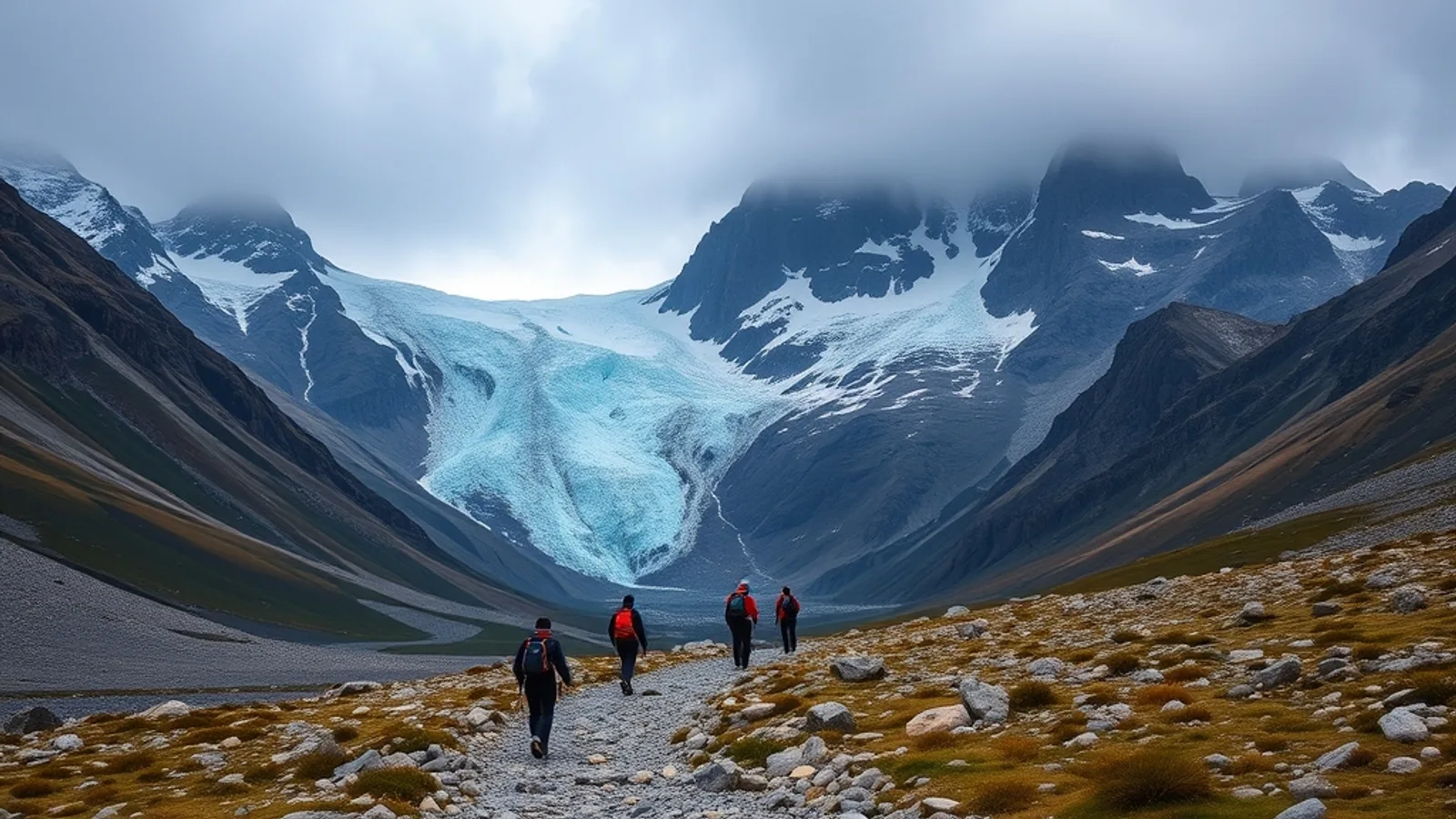
## What the hike actually involves The operator describes a round trip of around 20 km with an elevation gain of almost 900 m. The ascent takes about 4 to 5 hours at a normal pace with breaks, and the descent takes roughly the same again. The final half hour is the hardest part: a section of moraine — medium-sized loose stones left by glacial ice — where progress is slow and you use your hands as much as your legs. At the top you get free time at the main viewpoint to eat, rest and take photos before turning around. There is no shortcut and no vehicle access to the viewpoint: whatever the weather does, you walk both ways.
## Who it suits — and who it doesn't This is a trek for people who are comfortable hiking most of a day on rough ground, not a walk with a viewpoint at the end. The operator explicitly lists it as not suitable for children under 10, pregnant women, people with heart or respiratory problems, and people over 60 — if any of those apply to you, this listing is not the right one, and the full-day sightseeing tours of the park (which visit viewpoints by vehicle, with short walks) are the honest alternative. The small-group format matters on a trail this demanding: with a maximum of 12 people, and the operator adding a certified WFR assistant guide for groups over 6, the pace can be managed rather than dictated by a large-bus schedule.
## Logistics and what's included The operator lists hotel pickup and drop-off in Puerto Natales in a shared van with a professional driver; exact pickup times are confirmed at booking rather than published in the listing. Park entrance is listed as included, so you should not need to buy your own pass on pasesparques.cl for this tour — worth double-checking in your booking confirmation, since independent visitors must buy tickets online in advance. One inconsistency worth flagging: the operator lists "food" among the inclusions but also asks you to bring a packed lunch and water, so confirm exactly what is provided before you rely on it. Hiking poles are supplied, and crampons are provided in winter months if snow requires them.
## Weather, wind and the viewpoint Be realistic about Patagonian weather: wind rules this park, and the Chilean weather service regularly issues warnings for ten-minute average winds measured at up to 74 km/h (gusts higher) in the Torres del Paine area. CONAF can close trails at short notice, and even on a day the trail is open, the towers themselves can stay wrapped in cloud — nobody can guarantee the view you came for. In winter the constraints tighten further: park hours shrink to 08:00–18:30, CONAF sets a last start time of 09:00 for the Base Torres trail, and for the 2026 winter season (27 April to 30 August) a certified guide is mandatory on this trail — which a guided tour like this one satisfies by definition, but daylight around the winter solstice drops to under eight hours, so winter departures are tight, cold days.
## How it compares The closest alternative on this site is the Base of the Towers Day Hike, another guided full-day trek to the same viewpoint from Puerto Natales on a similar schedule. On paper the two are close; what this listing emphasises is the group cap of 12 and the WFR (Wilderness First Responder) certification of both guide and assistant. If you want the towers without the trek, look at the Torres del Paine Full Day Tour instead — it covers the park's viewpoints by vehicle and asks far less of your legs, but it does not reach Base Torres. And if one day in the park feels too short, the multi-day W Trek programs include this trail as one of several days rather than a single out-and-back push.
Itinerary
Typical itinerary for this tour — in Torres del Paine the weather is the itinerary: Patagonian wind, rain or snow regularly close a trail or a boat crossing without notice, so no viewpoint and no sailing is promised. Check the booking box for the day-by-day details.
Pickup in Puerto Natales
The day starts with pickup at your accommodation in Puerto Natales and a shared van transfer to Torres del Paine National Park — a long drive that makes up a good share of the roughly 14-hour day.
Trailhead and ascent
The hike starts from the Hotel Las Torres area. The operator describes the ascent as about 4 to 5 hours at a normal pace with breaks, part of a round trip of around 20 km with almost 900 m of elevation gain.
The moraine
The last half hour climbs a moraine — medium-sized loose stones left by glacial ice — where progress is deliberately slow. This is the most demanding stretch of the route, in both directions.
Base Torres viewpoint
At the main viewpoint you get free time to photograph the towers and the lake below them, eat and rest before the descent. If cloud covers the towers, there is no way to wait it out beyond your free time.
Descent and return
The way down retraces the same trail — the operator estimates roughly the same time as the ascent — followed by the van ride back and drop-off at your accommodation in Puerto Natales.
Essential information
Included
- Guided trek to Base Torres
- Small group capped at 12 people
- Certified WFR (Wilderness First Responder) bilingual guide
- Certified WFR assistant guide for groups over 6 people
- Hotel pickup and drop-off in Puerto Natales
- Shared transportation with professional driver
- Hiking poles
- Crampons, if needed due to snow in winter months
- First aid kit
- Accident insurance
- Entrance to Torres del Paine National Park
- Food (note: the operator's packing list still asks you to bring a packed lunch and water — confirm what is provided when booking)
Not included
- Personal hiking gear: warm clothing, waterproof hiking shoes (on the operator's bring-list)
- Water and a packed lunch (the operator asks you to bring your own)
- Gratuities (not mentioned in the operator's inclusions)
What to bring
- A windproof, waterproof outer layer, whatever the month. The park's official advice is to carry layers of clothing "to withstand rain, wind and/or snow" in any season, and Chile's meteorological service (DMC) records a predominant wind of about 28 km/h at Puerto Natales, with ten-minute average winds — not gusts — measured at up to 74 km/h.
- Warm layers under the shell. At the DMC station in Puerto Natales the thirty-year monthly mean is 11.8°C in January, the height of summer, and 1.3°C in July — and the July mean of the monthly minima is -4.5°C. Inside the park, higher and more exposed, it is colder still.
- Proper hiking boots, even on a vehicle-based day. The trail to the Base of the Towers is steep, rough and long enough that CONAF requires a guide on it for a large part of the year, and every viewpoint you step out to is on uneven, wind-blasted ground.
- Your park entry ticket, bought in advance. Unless your listing says entry is included, you buy it yourself on pasesparques.cl, the official CONAF platform, at least 24 hours before entering; a foreign adult pays CLP 32,400 for a single day or CLP 48,500 for two or more days (official 2026 park tariff).
- Sun protection — sunglasses, sunscreen, a hat that stays on in wind. The hours outdoors are long, the light is strong, and there is very little shade at the viewpoints.
- Water and snacks for the day. Where these listings itemise food at all, most exclude it, and inside the park there is nowhere to buy anything between stops.
- Your passport. Tours from El Calafate cross the Argentina–Chile border, and everywhere else it is the document your park ticket and hotel pick-up are checked against.
Inclusions are summarised from the operator listing — always verify the full list in the live booking box.
Important information
Weather is the itinerary. Boat sailings and trails are shortened, swapped or closed without notice for wind: the park's own advice warns that Patagonian weather "changes rapidly" and to expect rain, wind and/or snow in any season, and the DMC has measured ten-minute average winds of up to 74 km/h at Puerto Natales. No stop, no sailing and no view is promised on this site.
CONAF's rules are strict and enforced. Any open flame is banned under Ley 20.653, with fines of up to CLP 2,000,000; recreational drones are banned, and offenders are expelled from the park and reported to the DGAC; hikers must register at every ranger station (guardería) they pass, and walking trails after dark is prohibited (official park regulations).
Winter runs by its own rulebook. An official regulation for winter hiking applies every year from 1 May to 30 September, with accredited guides mandatory on the mountain trails; in 2026 the W circuit is closed from 1 June to 31 July except Base Torres with a certified guide, and the O circuit stays closed until 31 October (park and CONAF announcements).
Daylight swings hard at this latitude. Around the summer solstice the day is roughly 16 h 37 min long; around the winter solstice it is 7 h 59 min — the same tour in winter runs on half the light, and start times shift with it.
Prices shown here are GetYourGuide "from" prices in euros, read in August 2026: the cheapest date and option on the listing at that moment. Your date can cost more, and the price in the booking box is the one that binds.
What the operator says is the operator's claim. Group sizes, durations, pick-up points and inclusions are repeated here from the listing and attributed to it — they are not our own verification. Inclusions, minimum age and cancellation terms are binding only as printed in the booking box for your date.
Weather and wind decide the day: CONAF can close trails without notice, the DMC has measured ten-minute average winds of up to 74 km/h at Puerto Natales (gusts higher still), and the towers can be hidden in cloud even when the trail is open — the view is never guaranteed.
The operator lists this trek as not suitable for children under 10, pregnant women, people with heart or respiratory problems, or people over 60.
Bring what the operator asks for: warm layers, waterproof hiking shoes, water and a packed lunch — even though "food" appears in the inclusions, the packing list still asks for your own lunch, so confirm what is provided when you book.
The final half hour to the viewpoint crosses a moraine of loose stones — slow, hands-on terrain that is the crux of the day, in both directions.
In winter (CONAF's 2026 rule runs 27 April to 30 August) a certified guide is mandatory on this trail, the last start time is 09:00, and crampons are provided if snow requires them — expect short daylight and cold conditions.
Check dates & prices
Live availability & pricesFrequently asked questions
How hard is the Base Torres trek really?
It is a genuinely demanding day hike. The operator lists a round trip of around 20 km with almost 900 m of elevation gain — about 4 to 5 hours up and roughly the same down — and the final half hour crosses a moraine of loose stones where progress is slow. You need to be comfortable hiking most of a day on rough ground; there is no vehicle access to the viewpoint and no shortcut back.
Who is this tour not suitable for?
The operator lists it as not suitable for children under 10, pregnant women, people with heart problems, people with respiratory issues, and people over 60. If any of these apply, a vehicle-based full-day tour of the park is the realistic alternative — it reaches several viewpoints, though not Base Torres itself.
What do I need to bring?
The operator's list: warm clothing, hiking shoes (waterproof), water, a packed lunch and a camera. Note that "food" appears in the inclusions while the packing list still asks for your own lunch — confirm exactly what is provided when you book. Hiking poles are supplied, and crampons are provided in winter if snow requires them.
What happens if the weather is bad or the wind picks up?
Weather has the final word in Torres del Paine. The Chilean weather service regularly issues warnings for ten-minute average winds measured at up to 74 km/h (gusts higher) in this area, and CONAF can close trails at short notice. Even on an open-trail day the towers can stay hidden in cloud — no operator can guarantee the view. Book with flexible expectations, especially in shoulder season and winter.
Is the park entrance fee included, and does the tour run in winter?
Yes — the operator lists entrance to Torres del Paine National Park among the inclusions, so you should not need to buy a separate pass on pasesparques.cl for this tour (double-check your booking confirmation). In winter the trail operates under CONAF's rules: for the 2026 season (27 April to 30 August) a certified guide is mandatory on the Base Torres trail — which a guided tour satisfies — with a last start time of 09:00, and daylight around the winter solstice drops to under eight hours.